
ABSTRACT
China, an early pioneer in pearl trading and culturing, is the world’s leading producer of freshwater cultured pearls in terms of volume, industry scale, and supply chain integration. However, the industry continues to occupy lower tiers of the global value chain, with limited access to value-added activities. Pearl culturing is characterized by a volume-driven growth trap—high output, but with low profitability and value addition. This article systematically traces the evolution of Chinese freshwater pearl culturing since 1949, categorizing it into four phases—exploration and development, rapid expansion, regulation, and sustainable development—and further analyzes the impact of environmental regulations. Despite initial challenges such as a reduction in the number of culturing sites, water use restrictions, and income losses for pearl culturing stakeholders, these policies have catalyzed a transition from unsustainable practices to eco-friendly models. Additionally, sustainable transformation pathways are discussed, with a focus on eco-conscious culturing techniques, quality-driven value enhancement, and cross-sector integration. Lastly, possible future directions for China’s freshwater pearl culturing industry are explored, highlighting supply-demand dynamics, development drivers, empowerment strategies, and foundational safeguards. The study aims to provide evidence-based insights and policy-relevant recommendations that can inform sustainable aquaculture transitions worldwide, particularly in countries with comparable industry structures and environmental constraints or those undergoing rural ecological restoration.
The earliest records of freshwater pearl culturing in China date back to the Song Dynasty (960–1279 CE) (Pang, 1958). During the Ming Dynasty (1368–1644), maritime bans and ecological degradation led to the loss of organized and documented culturing techniques (Liao, 2012; Yang and Zhang, 2016). Systematic exploration of freshwater pearl culturing techniques resumed shortly after the founding of the People’s Republic of China in 1949. By 1962, China produced its first batch of non-bead cultured (NBC) pearls, marking the inception of modern freshwater pearl culturing (G.F. Zhang, 2004).
Following the launch of the “Reform and Opening Up” policy in 1978, which liberalized China’s markets, expanded foreign trade, and established special economic zones, China experienced rapid economic growth and higher living standards. This transformation coincided with a global rise in demand for pearls, which Western and emerging countries began to view as accessible luxury items. China became not only a major consumer but also an increasingly prominent player in the international freshwater pearl market. Freshwater pearl culturing techniques became more sophisticated, and the industry saw significant advancements in scale and specialization. Major industrial clusters formed, encompassing the entire value chain from mussel breeding and pearl culturing to processing and sales. Wuyi County in Zhejiang Province has emerged as a major hub for spat breeding. In 2023, the county hosted approximately 28,000 breeding ponds, producing nearly 1.5 billion spat and accounting for more than 85% of China’s total freshwater mussel spat (Q.P. Zhang, 2024). These spat supply major culturing regions across China, including the provinces of Zhejiang, Jiangsu, Anhui, Jiangxi, and Hunan. Shanxiahu Town (located within the city of Zhuji in Zhejiang Province, nearly 250 km south of Shanghai) is now recognized as a global capital for freshwater pearl culturing, processing, and trade. China’s freshwater pearl culturing industry serves as a vital economic driver, contributing to income growth for rural producers, both full-time and part-time, and households that engage in culturing as a side business (figure 1).
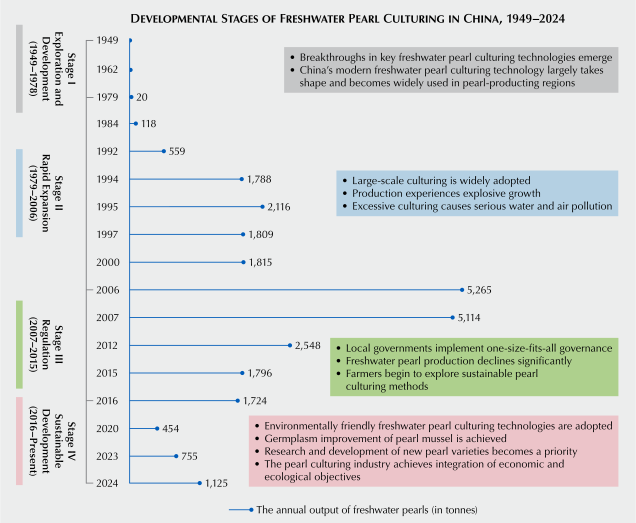
In the early twenty-first century, however, unsustainable production models marked by the excessive use of fertilizers and high culturing densities caused severe aquatic ecosystem degradation, creating an economic-environmental paradox. These practices initially boosted output but ultimately reduced profitability by degrading water quality, which compromised pearl quality, and by oversaturating the market, which drove down prices. This model directly violated China’s “ecological civilization” doctrine for sustainable development, introduced in 2005 (C.L. Huang, 2025). In response, the State Council issued a series of stringent environmental protection policies, prompting major freshwater pearl–producing provinces to impose strict regulations. Consequently, China’s freshwater cultured pearl production plummeted from 5,265 tonnes in 2006 to 454 tonnes in 2020, resulting in market price volatility and threatening the industry’s long-term viability (figure 2). Although these measures initially disrupted production and income streams, they served to catalyze industry-wide restructuring. Since then, Chinese farmers, researchers, and enterprises have pioneered eco-friendly culturing innovations and best practices for sustainable value chain development.
This study reviews the development and current status of China’s freshwater pearl culturing industry and explores future trends. It clarifies the institutional, technical, and market forces that have shaped the industry’s evolution, offering a framework for understanding the transition to sustainability and potential upgrading in the global value chain.
EVOLUTION OF CHINA’S FRESHWATER PEARL CULTURING INDUSTRY
Following the establishment of the People’s Republic of China in 1949, the central government launched systematic culturing research programs aimed at revitalizing the country’s pearl industry. During the 1950s and 1960s, institutions such as the Shanghai Fisheries Research Institute and the Zhejiang Provincial Fisheries Bureau conducted experimental work to improve traditional shell blister culturing techniques. These efforts included controlled trials and biomanipulation of host mussels, laying the technical groundwork for China’s eventual success in culturing NBC freshwater pearls in 1962 (G.F. Zhang, 2004). In 1984, China’s freshwater pearl output exceeded 100 tonnes for the first time, surpassing Japan’s total cultured pearl production of approximately 64 tonnes, which mostly consisted of akoya pearls (Bai et al., 2014). Since then, China has maintained global dominance in freshwater cultured pearl production.
A significant turning point came in 1992, when China abolished the unified management and export licensing systems for pearls. This policy change encouraged individual pearl culturists to form cooperatives and private enterprises, fostering the emergence of modern commercial entities. The resulting industrial consolidation and specialization accelerated the growth of China’s freshwater pearl culturing sector and contributed to another production peak. By 1994, annual production exceeded 1,000 tonnes, a year-on-year increase of 364%. Production reached an all-time high of 5,265 tonnes in 2006 (again, see figure 2).
After the peak in 2006, production scale and output declined. This downturn correlated with global economic shifts, market demand volatility, and the implementation of China’s stringent environmental policies. Production fell to 454 tonnes in 2020, just 9% of the 2006 level. Since 2022, the industry has shown signs of recovery, supported by digital innovations such as livestream selling, e-commerce platforms, and intelligent culturing systems, alongside market expansion and promotion initiatives. Production rebounded to 1,125 tonnes in 2024.
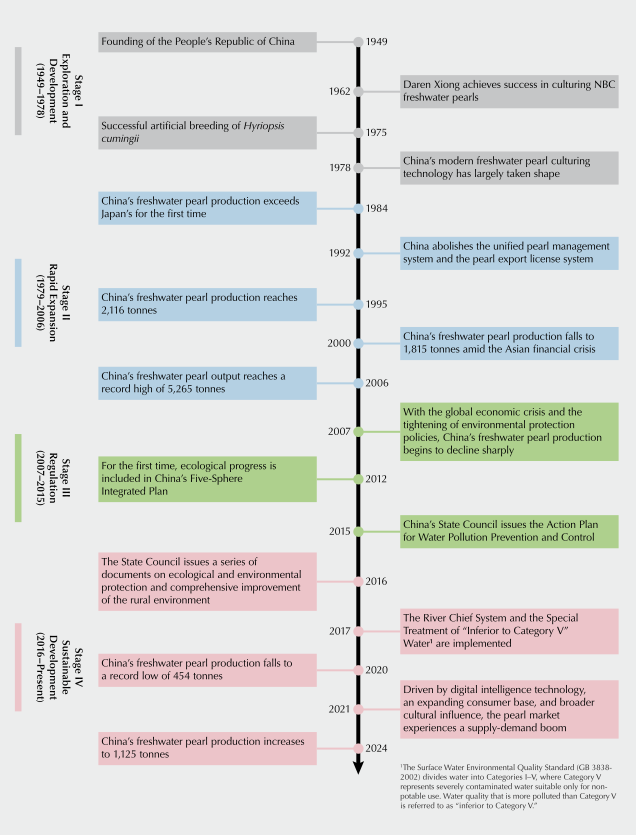
Based on the historical evolution of China’s freshwater pearl culturing industry since 1949, shown in figures 2 and 3, four distinct stages can be identified: exploration and development (1949–1978), rapid expansion (1979–2006), regulation (2007–2015), and sustainable development (2016–present).
Exploration and Development (1949–1978). From the eleventh century until the 1950s, Chinese freshwater pearl culturing remained largely stagnant, and pearl production was almost exclusively reliant upon natural pearl harvesting. The 1950s marked a turning point, as research institutions in Shanghai, Zhejiang, and Hunan initiated systematic investigations into pearl culturing, successfully revitalizing the ancient Buddha-shaped shell blister culturing technique (Y.P. Zhang, 1973). Building upon this, researchers developed shell blisters with elaborate motifs such as dragons, pagodas, fish, vases, and human faces. However, breakthroughs in spherical whole freshwater pearl culturing were not yet achieved (Y.P. Zhang, 1973).
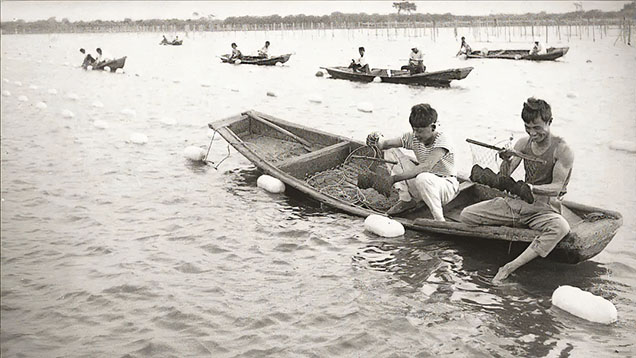
Researchers including Daren Xiong and Zhirong Shen conducted extensive studies in the 1960s, culminating in Xiong’s 1962 breakthrough in NBC freshwater pearls. This achievement laid the foundation for modern freshwater pearl culturing in China (Xiong et al., 1980). In 1975, researchers developed artificial breeding techniques for Hyriopsis cumingii, eliminating the need for natural mussel spat collection and enabling large-scale culturing (Yao, 1978). Starting in the late 1970s, systematic studies were conducted on pearl formation mechanisms, surgical implantation techniques, growth optimization, water quality management, and disease control (Y.P. Zhang, 1973; G.F. Li, 1981). During this period, the foundation for modern freshwater pearl culturing was applied at scale. One example was a commercial NBC freshwater pearl farm in Deqing County, Zhejiang Province (figure 4), which demonstrated the application of these advancements.
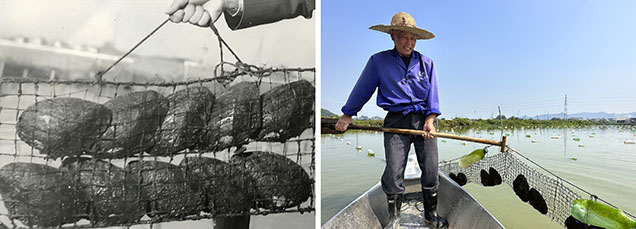
Rapid Expansion (1979–2006). During this period, rapid industry growth prioritized short-term output gains at the expense of environmental sustainability. Most freshwater pearl farmers adopted extensive yield-driven culturing practices, with limited awareness of ecological impacts. Nutrient-overloaded feeding regimes and high stocking densities (figure 5) caused severe eutrophication, a condition in which excess nutrient enrichment (e.g., nitrogen and phosphorus) leads to algal blooms and oxygen depletion in aquatic ecosystems. Although widespread environmental degradation began during this stage, it initially drew little public or regulatory attention.
As ecological conditions worsened and the impacts on pearl quality and farm profitability became evident, the issue drew increasing scrutiny. These problems were subsequently documented through scientific assessments and media reports. For example, a 2016 monitoring report from Xianning City, Hubei Province, showed nitrogen and phosphorus levels in Futou Lake surpassing Category III thresholds by 100% and 300%, respectively (Xinhua Daily Telegraph, 2016). Deteriorating conditions led to increased prevalence of disease in Hyriopsis cumingii populations, reducing yield and pearl quality. This created a vicious cycle in which efforts to boost production resulted in diminishing economic returns, posing a significant setback for China’s freshwater pearl culturing industry.
Regulation (2007–2015). China’s rapid economic growth brought escalating challenges such as environmental pollution and ecosystem degradation. In response, the government prioritized systemic improvements to environmental governance. Water pollution emerged as a central focus of ecological management, with the establishment of quality and safety standards for wastewater management (Ministry of Agricultural and Rural Affairs, 2003) and pollutant discharge caps for key river basins (State Environmental Protection Administration, 2007). In 2012, ecological progress was first incorporated into China’s Five-Sphere Integrated Plan, elevating environmental protection to a pillar of national strategy. The Water Pollution Prevention and Control Action Plan (State Council, 2015) mandated national standards and timelines for aquatic ecosystem restoration. The Chinese government issued a series of major policy documents aimed at further strengthening environmental quality. These included five-year plans for ecological protection (State Council, 2016) and comprehensive improvement of the rural environment (Ministry of Ecology and Environment, and Ministry of Finance, 2016); a “river chiefs” system, in which government officials are responsible for the bodies of water in their jurisdiction (General Office of the CPC Central Committee & General Office of the State Council, 2016); regulations on environmental supervision (General Office of the CPC Central Committee & General Office of the State Council, 2019); and five actions for green aquaculture (Ministry of Agriculture and Rural Affairs, 2020). These efforts marked a shift toward more enforceable environmental governance.
Major freshwater pearl–producing provinces such as Zhejiang also enacted their own regulations and remediation programs (Standing Committee of the People’s Congress of Zhejiang Province, 2017; H.M. Wang, 2017). Meanwhile, several regions imposed outright bans on freshwater pearl culturing to protect water resources. Because these policies initially emphasized ecological preservation over pearl production, this approach proved unsustainable for long-term industry growth (Jia et al., 2023).
Sustainable Development (2016–present). The current period reflects a growing recognition that economic growth must align with ecological principles, with environmental protection an integral part of sustainable development (Horne et al., 2018). In response to increasingly stringent regulations, many traditional freshwater pearl culturing practices have been phased out or upgraded. The transition toward environmentally friendly practices represents both a continuation and an advancement of sustainable development principles, bringing new opportunities and challenges to China’s freshwater pearl culturing industry. Chinese freshwater pearl enterprises have undertaken a series of industrial innovations and made significant progress in sustainable development through eco-friendly culturing, fish-mussel polyculture, and intelligent freshwater culturing techniques.
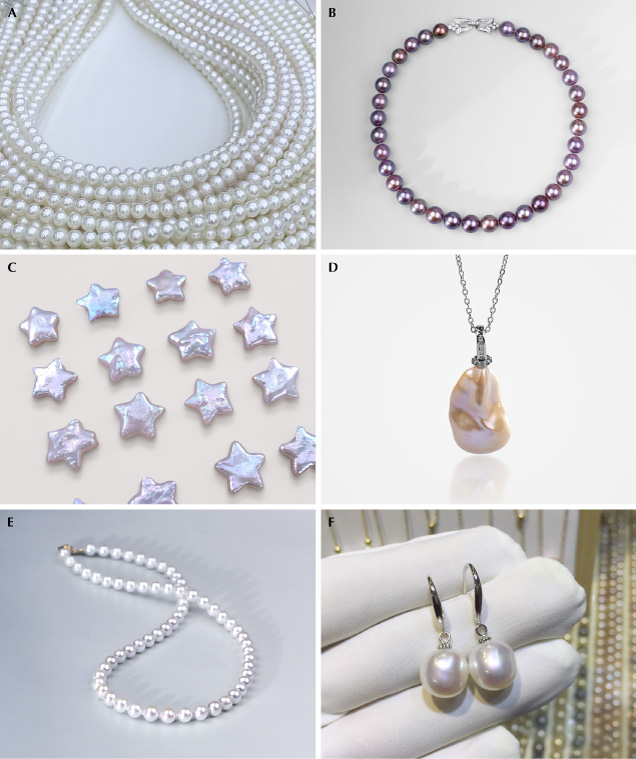
Meanwhile, companies have improved pearl quality via germplasm enhancement (the selective breeding of mussels with desirable traits) and the development of novel pearl shape and color varieties (J.L. Li et al., 2019; Z.Y. Wang, 2023; Y. Chen et al., 2024). The hubs of China’s freshwater pearl industry now feature a full value chain that encompasses culturing, processing, design, marketing, educational and cultural experiences (museum exhibitions and pearl-themed tourism), and health and beauty products and treatments. These efforts have increased the industry’s added value and competitiveness. The variety of Chinese freshwater cultured pearls on the international market has diversified, encompassing NBC pearls of various shapes and a wide range of bead cultured (BC) pearls (figure 6). A balanced strategy that integrates economic and ecological objectives is now seen as essential to the future of the freshwater pearl culturing industry (Hoang et al., 2019).
ENVIRONMENTAL REGULATION AND CHINA’S FRESHWATER PEARL INDUSTRY
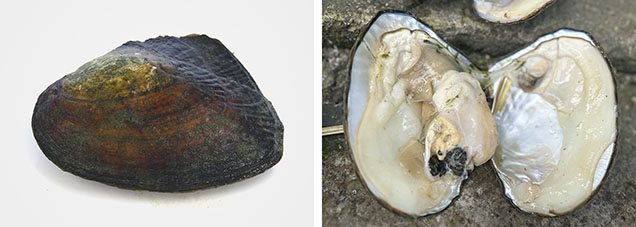
China’s freshwater pearl production is primarily from the filter-feeding mussel Hyriopsis cumingii (figure 7). The mussel feeds on particulate matter and organic detritus, with phytoplankton such as diatoms, chrysophytes, and chlorophytes forming the bulk of its diet. Studies indicate that a single Hyriopsis cumingii can filter more than 100 liters of water daily, reducing suspended solids by more than 50%. These mussels also help reduce ammonia-nitrogen and phosphorus concentrations, effectively controlling eutrophication and cyanobacterial blooms (Yu et al., 2020; Tang et al., 2021; Verma et al., 2025). When managed properly, freshwater pearl culturing not only helps prevent environmental contamination but also contributes to rehabilitating aquatic ecosystems. However, historically, excessive culturing practices have caused severe eutrophication. Since 2015, stringent environmental policies have reshaped the industry’s spatial distribution and production practices.
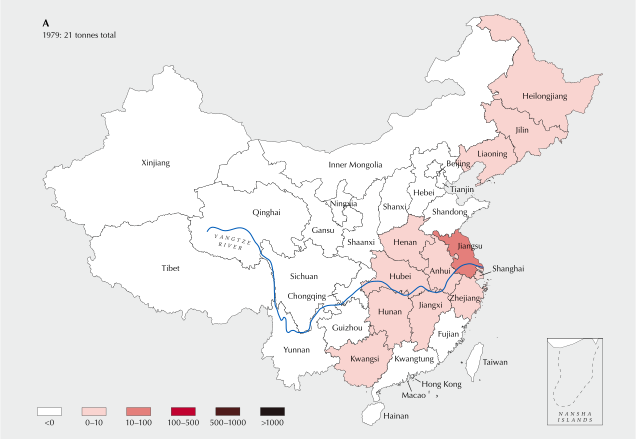
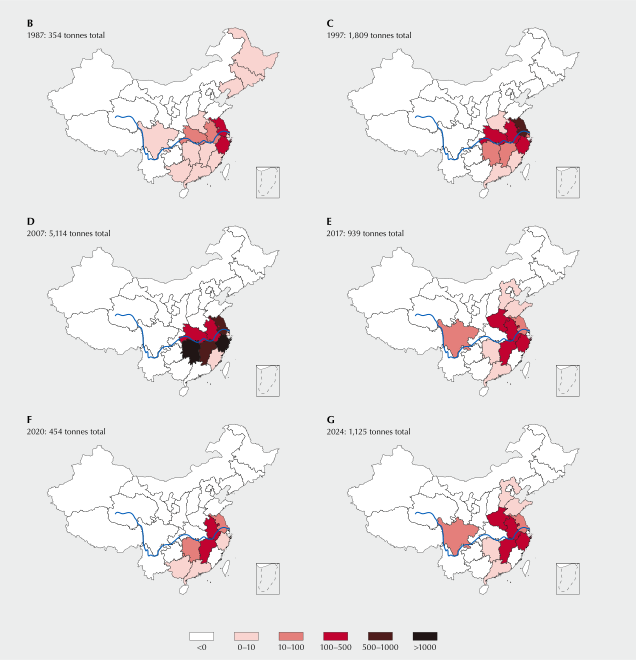
Distribution of Freshwater Pearl Culturing Areas. China’s freshwater pearl culturing areas have expanded markedly over time. The middle and lower reaches of the Yangtze River represent the traditional core culturing regions. Prior to the 1990s, major production areas were concentrated in Jiangsu, Zhejiang, and Shanghai, with minimal production in Liaoning, Jilin, Heilongjiang, Hunan, Hubei, Guangdong, Guangxi, Sichuan, and Chongqing (figure 8, A and B).
In the 1990s and early 2000s, freshwater culturing became more clustered, accompanied by a narrowing of production disparities between provinces. Six major culturing regions emerged: Jiangsu, Zhejiang, Anhui, Jiangxi, Hunan, and Hubei. Within these provinces, pearl culturing was concentrated in specific localities: Changzhou, Taizhou, Zhenjiang, and Huai’an in Jiangsu; Zhuji, Lanxi, and Yiwu in Zhejiang; Wuhu, Anqing, Chizhou, Xuancheng, and Chuzhou in Anhui; Poyang Lake (particularly Wannian and Duchang) in Jiangxi; Changde, Hanshou, and Yiyang in Hunan; and Honghu, Jiayu, and the outskirts of Wuhan in Hubei. Of these localities, Duchang and Wannian Counties in Jiangxi and Hanshou County in Hunan were officially recognized as “China’s Freshwater Cultured Pearl Townships,” establishing freshwater pearl culturing as a pillar industry (figure 8, C and D).
Stringent environmental policies enforced by local governments since 2007 have driven significant changes in freshwater pearl culturing areas. Along with the adoption of fertilizer-free culturing (which mitigates algal blooms by eliminating the use of organic fertilizers such as chicken manure), freshwater culturing in large natural water bodies such as lakes and reservoirs was officially banned in most regions. Production in Zhejiang and Hubei declined sharply, making Anhui and Jiangsu the leading producers (figure 8E).
Under sustained pressure from environmental policies, freshwater cultured pearl production fell to a record low in 2020 (figure 8F). Since 2021, increasing international demand, the adoption of eco-friendly techniques, and the rise of live streaming have spurred a recovery (China Jewelry and Jade Industry Association, 2024). By 2024, culturing areas had expanded to 10 provinces, and the distribution of production had shifted (figure 8G).
Zhejiang Province, an original pioneer of freshwater pearl culturing, offers a dramatic example of volatility over the past four decades. In the mid-1990s, epidemics of mussel disease resulting from unregulated high-density culturing forced companies to expand their production networks to Hunan, Hubei, and Jiangxi. Zhejiang introduced mandatory watershed monitoring and imposed limits on nutrient discharge for basins affected by culturing (Standing Committee of the People’s Congress of Zhejiang Province, 2009). These regulations sharply reduced the scale of freshwater pearl culturing.
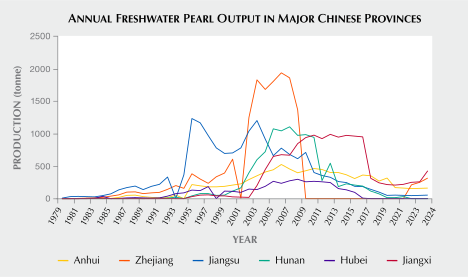
Zhejiang’s “Five Waters Governance” initiative, launched in 2013, established integrated basin management protocols for coordinated water pollution control, flood prevention, drainage, water conservation, and water supply improvement (G. Xu and Y. Lu, 2019). By 2017, Zhejiang had instituted systematic elimination of substandard (Category V and below) water bodies, representing China’s lowest water quality grades in terms of pollution and ecological degradation. As a result, freshwater pearl culturing output contracted dramatically, hitting a record low of 0.5 tonnes in 2021 (figure 9).
Hubei Province, known as the “Province of a Thousand Lakes,” experienced rapid expansion of freshwater pearl culturing following the phased implementation of the Household Contract Responsibility System in the late 1970s and early 1980s (M.X. Yang et al., 2003). This rural reform policy, which allowed households to lease farmland from the collective and manage production independently, stimulated aquaculture expansion, including freshwater culturing, across the Yangtze River basins. According to provincial records, output rose from 1.7 tonnes in 1982 (Hubei’s second year of culturing) to 37 tonnes by 1984, exceeding 100 tonnes annually after 1995 and peaking at 300 tonnes in 2008 (figure 9). Pearl culturing areas also expanded rapidly during this period. By 2007, freshwater pearl culturing covered about 13,333 hectares, with a 2007 output of 278 tonnes valued at RMB 100 million (US$14.6 million) (F. Liu and L. Tu, 2007). Companies from Jiangsu and Zhejiang expanded their operations to Hubei during the 1990s, contributing to the province’s emergence as a national production hub.
However, environmentally unfriendly culturing practices induced severe eutrophication and widespread algal blooms, causing heavy pollution in water bodies such as those in Caidian District (Wuhan), Huangshi, and Jingzhou. In 2007, Hubei banned freshwater pearl culturing in drinking water sources (Liu and Tu, 2007), and subsequent policies (Standing Committee of the People’s Congress of Hubei Province, 2012; Hubei Provincial Department of Agriculture, 2016) further restricted the sector, collectively reducing output to 11 tonnes by 2016. Hubei completely withdrew from pearl culturing by 2017 (figure 9).
Other provinces have implemented similar measures to manage freshwater pearl culturing. Hunan enacted the most stringent regulations, reducing production from 1,113 tonnes in 2007 to 0.1 tonnes in 2022 through mandatory phase-out policies in key regions including Yueyang, Changde, and Yiyang (Zeng et al., 2007). Jiangsu Province, once China’s largest freshwater pearl producer, saw output grow from 11 tonnes in 1979 to a peak of 1,242 tonnes in 1995. Under increasing regulatory pressure, Jiangsu gradually reduced production to 50 tonnes by 2022 through the establishment of non-culturing buffer zones and policy-driven exits from intensive production areas. Jiangxi Province, a later entrant, initially maintained low output before rapidly expanding post-2000, reaching a peak of 997 tonnes in 2015. Since then, Jiangxi has also adopted restrictive zoning and surface water protection measures, resulting in a steady decline to a record low of 210 tonnes in 2020. In Anhui, pearl culturing expanded rapidly from 0.5 tonnes in 1980, peaking at 530 tonnes in 2007. A series of environmental regulations and rising concerns over water quality gradually reduced that figure to approximately 156 tonnes by 2022 (figure 9).
After their respective troughs, output recovered in most provinces except Hubei, which remained at zero. Zhejiang rebounded most sharply from 0.5 tonnes in 2021 to 319 tonnes in 2024. Jiangxi climbed from its 2020 trough of 210 tonnes to 435 tonnes by 2024. By contrast, Jiangsu and Anhui saw only minimal increases, reaching just 55 and 167 tonnes, respectively. Hunan, although previously reduced to just 0.1 tonnes in 2022, recovered modestly to 3 tonnes by 2024, a level far below its historical peak but signaling a limited return under strict environmental controls. Sichuan, a newly emerging producer with no significant previous output, expanded to 28 tonnes by 2024 (figure 9).
Types of Water Bodies Used for Freshwater Pearl Culturing. Traditionally, freshwater pearl culturing was carried out in both natural water bodies (lakes, reservoirs, and rivers) and aquaculture ponds (J.L. Li et al., 2019). Major basins such as Poyang Lake (Jiangxi), Dongting Lake (Hunan), and Taihu Lake (Jiangsu) once served as primary production zones for high-quality cultured pearls. Characterized by moderate surface area, high dissolved oxygen content, and stable physicochemical properties, they provided optimal conditions for culturing. However, local bans and restrictions have shifted the focus away from large natural water bodies. Aquaculture ponds have become the primary sites, with only limited production in certain lakes and reservoirs under controlled conditions. In addition, pearl mussels are used for wastewater treatment in some degraded environments, such as mining subsidence ponds (water-filled depressions formed by ground collapse after underground mining activities) and eutrophic urban waterways.
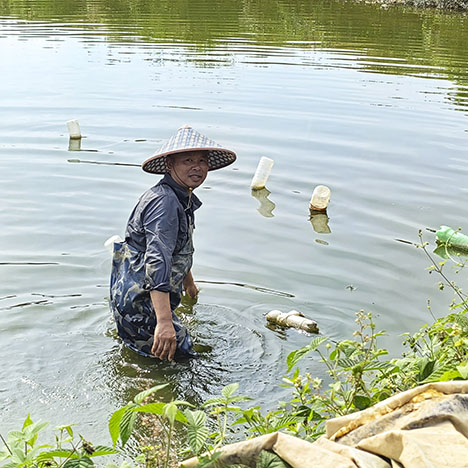
Aquaculture Ponds. These ponds typically range from 0.8 to 6.7 hectares, with smaller ponds covering less than 0.7 hectares, and depths generally from 1.5 to 2.0 meters (figure 10). Annual rent averages RMB 18,000–30,000 (US$169–$282) per hectare (based on interviews conducted by authors QZ, YX, and JH with pearl farm managers and industry association representatives in Zhejiang, Jiangsu, and Anhui in 2024). The shift to pond-based culturing has allowed for more manageable water quality control and easier compliance with environmental regulations. By containing nutrient discharge within controlled systems, ponds not only provide stable and predictable yields but also help reduce the risk of eutrophication in surrounding natural ecosystems. While pond-based systems prioritize the prevention of new pollution, the industry is simultaneously exploring the proactive remediation of existing environmental damage.
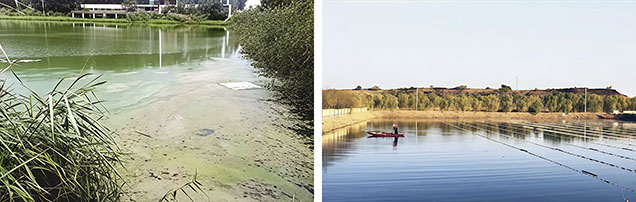
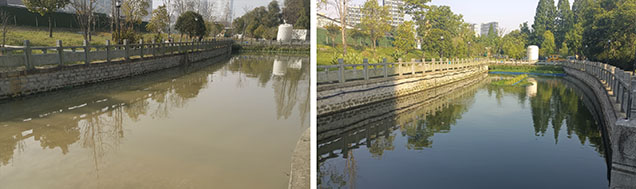
Polluted Water Bodies. As environmental regulations on freshwater pearl culturing tightened, traditional fertilization-based practices were gradually phased out. The ecological function of pearl culturing has been increasingly recognized, enabling pearl culturing to expand beyond traditional aquaculture zones into degraded environments. A prominent example is the town of Taiping in Zoucheng, Shandong Province, where a 53.3-hectare coal mining subsidence pond was repurposed in 2019 using smart biocycle culturing. This initiative yielded 300 kg of pearls per hectare and generated RMB 600,000 (US$5,640) per hectare (Shao, 2021), successfully integrating water purification with economic pearl production (figure 11). Following this success, the model was replicated in the coal mining subsidence areas of Huaibei and Fuyang in Anhui Province (Y. Yang and J. Liu, 2023; Y.M. Zhou, 2024). Furthermore, this culturing method has proven effective in urban water remediation. A pilot project in Binjiang District, Hangzhou, utilized pearl mussels as natural biofilters in the Xixinghou River (figure 12). The project successfully improved water quality from Category V to Category III (Binjiang District Water Treatment Office, 2022). Similar ecological restoration efforts have been extended to other severely polluted bodies, such as Gehu Lake in Yixing, Jiangsu Province, which serves as a critical upstream buffer for Taihu Lake (C.Q. He, 2024). These diverse cases demonstrate that pearl culturing has evolved from a traditional industry into a powerful tool for ecological remediation, transforming polluted water into productive assets. By aligning economic output with environmental restoration, this model offers a scalable win-win pathway for global sustainable aquaculture.
Policy Disparities and Economic Ramifications in China’s Freshwater Pearl Culturing Phase-Out. China’s major freshwater pearl–producing provinces have taken different approaches to phase out pearl culturing. In Zhejiang, local governments in Shanxiahu Town (Zhuji) and Jindong District (Jinhua) provided farmers with transitional subsidies of RMB 30,000 (US$290) per hectare to accelerate culturing termination (Zhuji Water Resources and Hydropower Bureau, 2017a; Jindong District Government Office of Jinhua City, 2017). Meanwhile, Hubei Province ended farming without compensation, forcing farmers to bear the full transition costs (Hubei Provincial Department of Agriculture, 2016).
Enforcement timelines also varied significantly, with implementation windows ranging from less than 30 days to more than six months. This often forced premature harvesting, leading to deterioration in both yield and quality. With standard stocking densities of 6,667 mussels per hectare yielding market-grade pearls valued at RMB 10–25 (US$1.50–$3.80) per mussel, premature termination caused estimated losses of RMB 10,000–25,000 (US$1,500–$3,750) per hectare. The heaviest losses occurred in the wake of Hubei’s culturing restrictions. Qianzu Pearl Group lost permits for 8,667 hectares of culturing waters, with verified losses exceeding RMB 100 million (US$15 million) by 2017. Ruan Shi Pearl Company faced a similar setback, relinquishing 133 hectares of licensed aquaculture waters in compliance with policy mandates. Angeperle, specializing in premium freshwater pearl products, experienced a 20% decline in output from contracted farmers between 2016 and 2018, while procurement prices rose by approximately 30% (Zhu, 2017).
RECENT INNOVATIONS IN THE FRESHWATER PEARL CULTURING INDUSTRY
While pearl mussels have the potential to play a positive role in water purification and the absorption of heavy metals, inadequate management practices such as excessive stocking densities, overfeeding, and lack of sediment treatment can exacerbate water pollution and degrade pearl quality. Strict environmental regulations have catalyzed technological innovation in wastewater recycling and the adoption of cleaner technologies. To maximize ecological, economic, and social benefits, Chinese companies and research institutes have implemented targeted strategies to promote the healthy and stable development of the industry. This section examines three pillars: sustainable practices, value chain optimization, and cross-sector integration.
Sustainable Freshwater Pearl Culturing Practices. In response to stricter environmental regulations, several freshwater pearl–producing regions have begun transitioning toward more sustainable models. A leading example is Zhuji in Zhejiang Province, which has pioneered ecologically responsible freshwater pearl culturing models with measurable outcomes. Since 2017, it has closed inefficient farms, strengthened oversight of operations, and established standardized freshwater pearl culturing demonstration zones (Zhuji Municipal People’s Government Office, 2017; Zhuji Water Resources and Hydropower Bureau, 2017b). Eight demonstration zones, each covering 400 hectares, have been upgraded with internal circulation systems and reduced stocking densities. An investment of RMB 10 million (US$1.5 million) established a centralized facility for mussel meat processing (Pei et al., 2023).
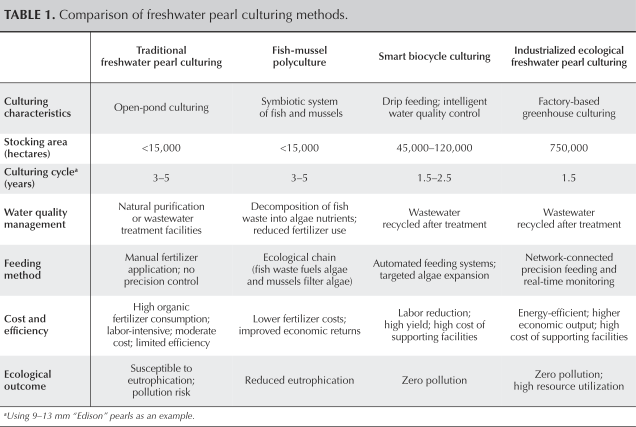
By 2022, Zhuji’s Shanxiahu Town, the epicenter of the city’s pearl culturing industry, had decommissioned more than 190 hectares of culturing zones and upgraded more than 540 hectares with internal circulation-based ecological culturing systems. Water quality in pearl culturing areas improved significantly, rising from Category V or worse to Category III, with some areas even reaching Category II standards (Yan and Meng, 2022). Zhuji has also actively promoted new models such as fish-mussel polyculture, smart biocycle culturing, and industrialized ecological culturing. These approaches, summarized in table 1, are driving productivity enhancement, quality improvement, and environmental restoration.
Fish-Mussel Polyculture. Ecological aquaculture refers to a system in which organisms occupy distinct niches within the habitat, utilizing natural nutrient cycling mechanisms to maintain ecological balance and enhance production efficiency (Hui, 2014). One promising example is fish-mussel polyculture, which integrates grass carp (Ctenopharyngodon idella), silver carp (Hypophthalmichthys molitrix), bighead carp (Hypophthalmichthys nobilis), and other compatible species with pearl mussels such as Hyriopsis cumingii. In this system, fish release nitrogen and phosphorus through metabolic processes, contributing dissolved nutrients that stimulate phytoplankton growth. As filter-feeding bivalves, the mussels ingest suspended phytoplankton and organic particulates, reducing eutrophication risks through biofiltration. This synergy optimizes water resource efficiency and reduces nitrogen and phosphorus discharge. Cui et al. (2012) demonstrated through enclosure experiments that fish-mussel polyculture can suppress phytoplankton proliferation, strengthen biological purification capacity, stabilize ecosystems, and effectively improve water quality. Dai et al. (2013) found that optimizing freshwater fish species, fish-mussel ratios, and feed management all contribute to maximizing water quality. B. Wang et al. (2023) addressed a series of technical challenges associated with fish-mussel polyculture, including species compatibility, stocking density optimization, feed management, and disease control. B. Wang et al. (2023) also demonstrated that fish-mussel polyculture yields higher economic benefits than traditional monoculture practices.
By 2021, the fish-mussel polyculture pond in Lanxi City, Jinhua, Zhejiang Province, spanned 4,000 hectares, making Lanxi China’s largest county-level city for this type of culturing (Ministry of Education, 2023). This model was published by the Department of Science, Technology and Education of the Ministry of Agriculture (2012) and promoted nationwide by the Ministry of Agriculture.
Smart Biocycle Culturing. Developed by Qinghu Agricultural Technology Co., Ltd. and Huazhong Agricultural University after a decade of research, smart biocycle culturing is a system that integrates precision culturing and targeted proliferation of beneficial algae (Guo, 2022). This innovation not only significantly improves feed utilization and reduces culturing costs but also purifies the water and enhances the quality of pearls, earning it the reputation of a next-generation “water purifier.”
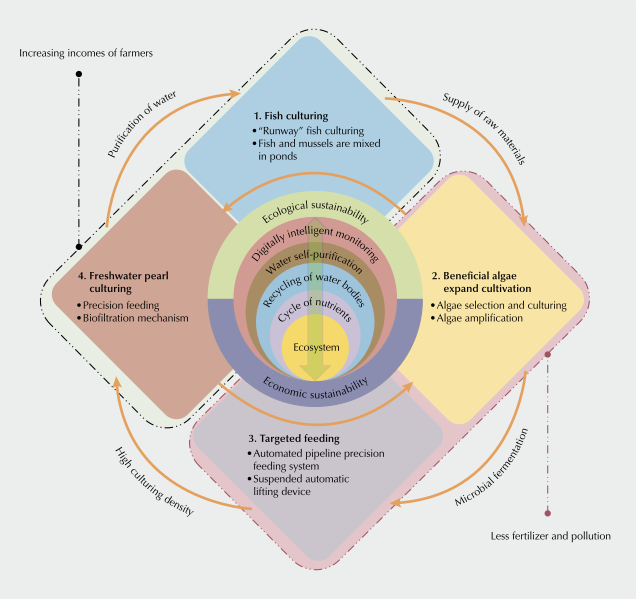
The system moves the proliferation of beneficial bacteria, algae, and plankton that are essential for pearl mussel growth to an indoor environment. Primary water pipelines are installed in the lake, with mussels suspended beneath them. Mussel elevation is adjusted via water pressure to deliver nutrients directly to their “mouths” through an intelligent pipe network, decoupling the process from the surrounding water. The computer-controlled system monitors water quality and regulates feeding frequency and dosage according to the mussel’s growth period as well as the season, temperature, and other factors (figure 13). This approach fundamentally prevents pollution during the pearl culturing process.
This system can sustain 45,000–120,000 mussels per hectare, compared to a maximum of 15,000 using traditional models. Furthermore, this technology requires only 20 tonnes of specialized nutrient solution per year for 100,000 mussels, compared to 200 tonnes of organic fertilizer using traditional models. Network-connected management dramatically reduces labor costs. For a pond covering 66 hectares, only two personnel are needed to manage operations (G. Zhang et al., 2020; G.Y. Zhou, 2021).
Smart biocycle pearl culturing not only enhances efficiency and yield but also serves as an effective solution for managing eutrophication pollution while balancing ecological and economic benefits. In 2021, the Zhuji City Finance Bureau invested RMB 55 million (US$8.2 million) to further promote the system (W. Liu, 2021).
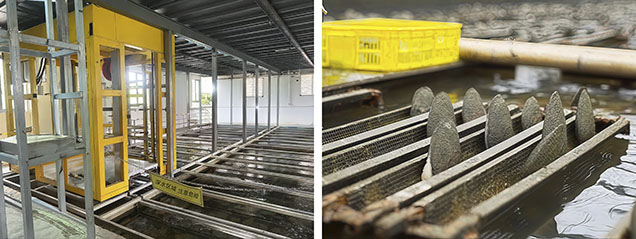
Industrialized Ecological Freshwater Pearl Culturing System. Since 2013, China has actively promoted research and development on industrialized ecological culturing, supported by national policies and advances in precision aquaculture technologies. Following several years of pilot experiments and technical refinement, Bairuila Agricultural Technology Co., Ltd. established China’s first operational industrialized ecological freshwater pearl culturing system in 2019 (figure 14). This system replaces traditional open-air pond culturing by placing mussels on multi-layer shelves, enabling three-dimensional culturing within greenhouses. Meanwhile, the wastewater generated undergoes precipitation, filtration, disinfection, sterilization, and oxygenation before being recirculated into the culturing tanks, achieving zero discharge. The entire process is monitored in real time with a computerized control system regulating critical parameters including feeding schedules, water temperature (maintained at 28°C), and water quality (J.L. Li et al., 2025). With 9–13 mm “Edison” pearls, for example, industrialized ecological pearl culturing achieves a 50-fold increase in culturing density per unit area while reducing the production cycle from 3–5 years to 1.5 years (Zhuji City Association for Science and Technology, 2023; Fu et al., 2024).
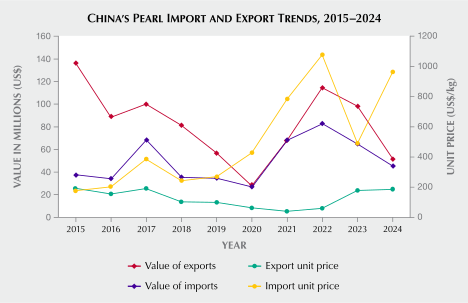
Optimizing the Quality and Competitiveness of China’s Freshwater Cultured Pearls. Although China has maintained its position as the world’s largest producer of freshwater cultured pearls, quality remains a critical concern. Chinese customs data indicate that the average import price of pearls is significantly higher than the average export price (figure 15). In 2024, imported pearls averaged RMB 7,046 (US$972) per kg, while the export average was only RMB 1,236 (US$170) per kg. While import prices naturally reflect added costs such as transport, processing, and branding, a 7.3-fold gap far exceeds typical logistics and markup ratios in the pearl trade, which usually range from 1.5 to 3 times. This substantial discrepancy underscores persistent challenges in China’s pearl industry, particularly in value creation, addition, and retention. Addressing these issues is essential for upgrading the industry’s position in the global value chain. Enhancing the quality and increasing the yield of high-grade freshwater pearls will be crucial to overcoming the “low-end lock-in” dilemma in the global value chain—a condition in which producers remain trapped in low-value-added activities such as bulk culturing and unbranded exports. This approach will also serve as a fundamental driver for sustainable growth (C.R. Wang, 2024). To promote healthy and stable development, researchers have achieved phased innovations in two critical areas: mussel variety improvement and BC freshwater pearls.
Genetic Improvement of Freshwater Pearl–Producing Mussels. China’s freshwater pearl culturing industry has entered a transition phase, shifting from volume-focused to quality-driven approaches. Culturing relies predominantly on Hyriopsis cumingii and its hybrid strains (Fiske and Shepherd, 2007). N. Xie et al. (2006) developed the kangle mussel (Hyriopsis schlegelii × Hyriopsis cumingii), achieving a nearly fourfold increase in the yield of premium-quality pearls (Li and Bai, 2007). G.F. Zhang et al. (2013) enhanced the color traits of Hyriopsis cumingii through mass and family selection, gradually developing four major donor mussel lines distinguished by nacre color—purple-red, violet, silver-white, and gold—as well as a recipient mussel line, known as the “Eagle Mussel,” selected for its broad shell width and large body, which are favorable for cultivating larger pearls. These targeted breeding efforts enabled the large-scale production of uniformly colored freshwater pearls.
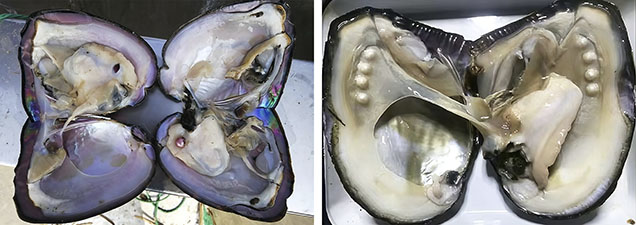
Subsequently, J.L. Li et al. (2019) investigated the genetic mechanisms underlying pearl coloration in Hyriopsis cumingii. In collaboration with Zhexing Pearl Trading Co., Ltd., they developed two novel subspecies: “Shen Zi No. 1” and “Shen Zhe No. 3” (figure 16). “Shen Zi No. 1” produces pearls with a 97.2% rate of purple coloration (Sun et al., 2019), while “Shen Zhe No. 3” has achieved an average 23% higher yield of BC pearls larger than 10 mm compared with non-hybrid Hyriopsis cumingii (J.L. Li et al., 2021).
Taken together, these genetic improvement efforts have significantly advanced the large-scale marketing of high-quality Hyriopsis cumingii varieties.
Bead Cultured Freshwater Pearls. Before the 1990s, BC freshwater pearls faced formidable technical barriers, including high surgical mortality rates, frequent bead rejection, and extremely low pearl yield (S.H. Xie, 2010). In 1985, Xie Shaohe’s team achieved a milestone by producing the world’s first 5 kg batch of BC freshwater pearls (Ye, 2015). This breakthrough initiated a paradigm shift from NBC to BC freshwater pearl production. Building on this advancement, China’s BC freshwater pearl technology underwent continuous refinement over the following decades. Three core innovations matured between the late 1980s and the early 2010s: multi-site implantation, precision surgical instruments and management systems, and regenerative culturing. These advances significantly improved survival rates, resource efficiency, and pearl yield, laying the technical foundation for the industry’s scaling-up, standardization, and global competitiveness.
1. Multi-site implantation: Traditional freshwater BC techniques were limited to single-site implantation at either the mantle or the visceral mass (S.H. Xie, 2010; Liang, 2015). Mantle implantation typically produces small BC freshwater pearls, while visceral mass implantation is used for cultivating larger pearls. Mantle site selection is largely standardized, with operations usually targeting the outer edge of the mantle tissue. Visceral site selection varies among producers, but practical implantation is confined to a few viable locations: beneath the labial palps, below the pericardial cavity on the dorsal side, and at the junction between the foot and the visceral mass (Akamatsu et al., 2001; S.H. Xie and Y. Xie, 2011; Liang et al., 2015). Of these, foot implantation yields the highest mussel survival rates and pearl quality (S.H. Xie and Y. Xie, 2014).
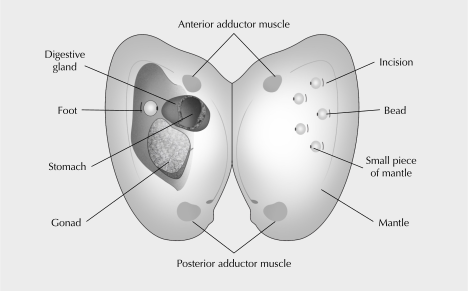
Multi-site bead implantation has long been considered a key technical hurdle in the development of the pearl culturing industry. After years of systematic experimentation, a team led by S.H. Xie (2004a) achieved simultaneous culturing in the mantle and visceral mass, significantly increasing the yield (figure 17). This breakthrough improved mussel utilization by two to three times and reduced costs while shortening the culturing cycle, making it a practical solution for increasing production and income. Multi-site implantation has promoted scaling-up, standardization, and sustainable development (Ye, 2015).
2. Precision surgical instruments and efficient culturing management technology development: The development of specialized nutritional supplements and antimicrobial agents, along with a novel bead inserter offering adjustable functionality and precise positioning, has significantly improved the survival rates of pearl mussels undergoing multiple bead implantations (S.H. Xie and Y. Xie, 2009; H. Chen et al., 2015; X. He et al., 2021; X.H. Li et al., 2023). These innovations have overcome technical challenges in traditional devices, such as insufficient dynamic control and blurred positioning. Furthermore, pre- and post-surgical care protocols, dynamic optimization of stocking density, and real-time monitoring of water quality parameters (e.g., oxygen levels, pH, and ammonia concentration) have enhanced the precision and sustainability of freshwater pearl culturing (S.H. Xie and Y. Xie, 2009; S.H. Xie, 2010).
3. Freshwater cultured pearl regeneration technology: Traditional bead culturing techniques are limited to producing a pearl only once per site, severely limiting resource utilization. S.H. Xie (2004a) patented regenerative pearl culturing technology, which involves minimally invasive extraction that preserves the original pearl sac. Based on the size of the pearl sac, appropriately sized beads are selected for re-implantation, enabling the production of regenerated BC pearls. This innovation allows two or three sequential bead implantations during the mussel’s typical eight-year lifespan. Regenerative culturing produces a variety of high-quality BC pearls within a shorter time frame, reducing waste while significantly enhancing yield (S.H. Xie, 2004b; Y.S. Li and J.L. Li, 2007).
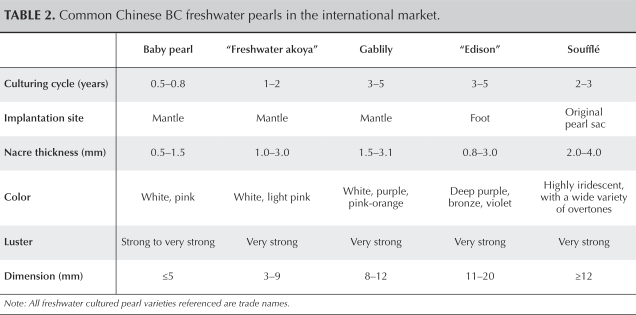
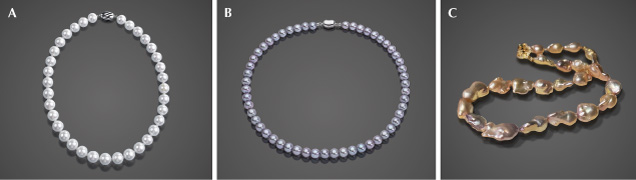
These breakthroughs have dramatically shortened culturing cycles, reduced costs, diversified BC freshwater pearl products, and enhanced the industry’s economic, social, and ecological benefits (Gao et al., 2024). They have led to a variety of commercially available BC freshwater pearl products, including Baby pearls, “Edison” pearls, Gablily pearls, soufflé pearls,2 and “freshwater akoya” pearls.3 These varieties differ in size, shape, luster, and culturing techniques, as shown in table 2 and figure 18.
2Soufflé pearls are an important category of regenerated BC freshwater pearls, named for their resemblance to the French dessert. Their bead is composed of a special composite material (a mixture of silt, incense ash, and bioadhesive).
3“Freshwater akoya” is a misnomer used by some producers to describe small, round, high-luster freshwater BC pearls that resemble traditional Japanese akoya pearls in appearance.
Industry Integration and Ecosystem Transformation. Industrial integration is a fundamental trend in modern economic development and a critical pathway for achieving sustainable growth (Heo and Lee, 2019). The freshwater pearl culturing industry is shifting away from its traditional role as a primary sector activity (i.e., the extraction of raw materials). It is increasingly integrating with the secondary sector, which focuses on processing and value-added production, and the tertiary sector, which entails marketing, branding, and distribution. The “triple-industry integration” strategy is essential for extending, diversifying, and strengthening industrial chains in rural development contexts (Y. Wang, 2024).
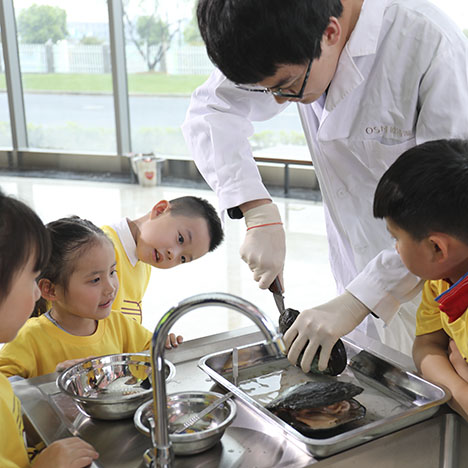
Integration of Tourism, Culture, and Fisheries. The ecological resources of freshwater pearl culturing farms can be converted into added value through tourism, thereby increasing revenue and incentivizing farmers to adopt sustainable practices. For example, Deqing County in Zhejiang Province has developed an integrated “pearl culture and industrial tourism” model around its freshwater pearl culturing industry. This includes pearl-themed study tours (figure 19), museum-based science communication, live pearl harvesting experiences, and intangible cultural heritage workshops, showcasing how pearl culturing, culture, and tourism are jointly driving local income and employment (Shen, 2025). As a result of its achievements in sustainable culturing, Deqing’s freshwater pearl composite culturing system was recognized by the Food and Agriculture Organization as a Globally Important Agricultural Heritage System in 2025 (Deqing County Bureau of Agriculture and Rural Affairs, 2025).
Value Chain Expansion. The freshwater pearl culturing industry must balance ecological protection with strategic leveraging of its ecological, social, and economic resources. The city of Zhuji, with strong support from the Collaborative Innovation Center for the Freshwater Pearl Culturing Industry since the center’s establishment in 2021, has taken the lead in restructuring and upgrading the entire freshwater pearl culturing value chain. At the upstream level, Zhuji has integrated internal rural resources, such as local pearl farmers, culturing facilities, and traditional know-how, with external inputs: university research teams, e-commerce platforms, and cross-regional investment. The city has also strengthened industry governance by promoting quality certification systems, traceability standards, and intellectual property protection (Pei et al., 2023).
Midstream, Zhuji has focused on technological upgrading and product diversification through the development of value-added pearl-derived products and the upcycling of low-value or residual pearl resources. For example, local enterprise Fenix Bio-Tech has applied nanotechnology to convert low-grade freshwater pearls into micrometer-sized powder for skincare, increasing product value more than tenfold (R. Xu and X. Lu, 2024). Similarly, pearl powder has been used in textile manufacturing, producing pearl fiber socks with UV resistance and far-infrared health benefits (Miao, 2018; P. Liu et al., 2020).
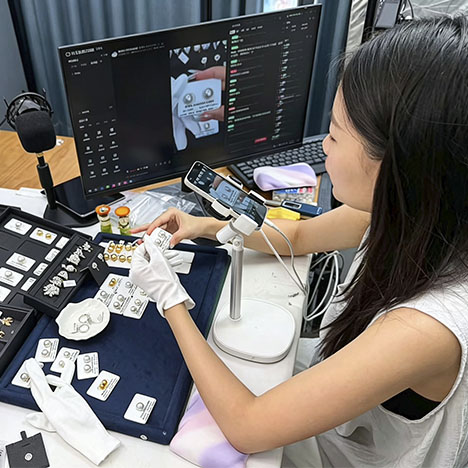
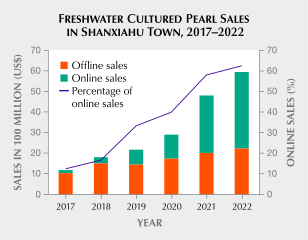
Downstream, Zhuji has embraced digital commerce to support industry transformation. Livestream selling has become a powerful tool to connect producers and consumers, enabling the transparent display of product, real-time interaction, and origin-based storytelling (figure 20). This innovation has strengthened consumer trust and brand identity, particularly among younger consumers. Online sales in Shanxiahu Town surged from RMB 1 billion (US$150 million) in 2017 to RMB 25 billion (US$3.8 billion) in 2022 (figure 21), highlighting the transformative impact of livestreaming and digital marketing.
FUTURE PATHWAYS FOR CHINA’S FRESHWATER PEARL CULTURING INDUSTRY
Although China’s freshwater pearl culturing industry has largely transitioned to a sustainable development model, it is still at the early stage of developing a pearl production system grounded in circular economy principles (i.e., a closed-loop model in which waste is minimized, byproducts are reused, and nutrient cycles are restored to mimic natural ecosystems). Efforts to implement ecological culturing and closed-loop circular economy models such as resource recycling remain largely confined to the basic environmental management practices of pollution control and waste minimization. Such limited interventions fall short of establishing a comprehensive, regenerative circular system that fully integrates ecological, economic, and social dimensions. Despite the increasing emphasis on quality improvement, there are still notable weaknesses in research and development capacity, particularly in developing high-value-added pearl products. Diversifying the industry’s value chain and fully aligning ecological sustainability with global value chain integration remains a long-term goal.
Supply and Demand. Between 2017 and 2020, due to the tightening of environmental protection policies, the global production of freshwater cultured pearls, as well as in China, declined year by year. Conversely, Chinese market demand rebounded in 2021 (China Jewelry and Jade Industry Association, 2024), driven in part by “revenge spending” after the COVID-19 pandemic—a phenomenon in which consumers compensated for prolonged lockdowns and suppressed desires through unusually high levels of consumption (Liu et al., 2023). The same lockdown conditions also accelerated the adoption of livestreaming e-commerce (Lu et al., 2025). This trend was particularly evident in Shanxiahu Town, China’s foremost pearl distribution center, where online sales increased from 13% of total sales in 2017 to 63% in 2022, and online sales grew by nearly 25 times over the same period (again, see figure 21). This micro-market boom coincided with a strong global macroeconomic recovery in 2021, in which real gross domestic product (GDP) growth surged to 6.1% following the 3.1% decline in 2020 (International Monetary Fund, 2026). This release of pent-up consumer demand, coupled with the macroeconomic tailwinds, further bolstered the market’s buoyancy.
Under the dual effects of supply contraction and surging demand, the supply-demand imbalance intensified, leading to a general rise in pearl prices. The price of ordinary freshwater pearls rose by 30–50%, while high-quality freshwater pearls increased by approximately 80% (CCTV Finance, 2023; Guan, 2023). Stimulated by high prices, Chinese pearl farmers significantly expanded production. However, the biological cycle of pearl cultivation created a delay in supply response. After bottoming out in 2020, China’s freshwater pearl output began a steady recovery, climbing to 1,125 tonnes in 2024 (China Fisheries Statistical Yearbook, 1980–2025). The upstream segment of the culturing industry benefited significantly from this development. Mussel pond lease rates soared from RMB 4,500–7,500 (US$46–77) per hectare to RMB 30,000 (US$307) per hectare; daily wages of culturing technicians increased from RMB 200 (US$31) to RMB 600–800 (US$92–123); and mussel seeding spat prices more than tripled (based on author YX’s field research data from October 2024).
However, the post-pandemic momentum soon dissipated. Following the 2021 rebound, global economic growth settled, stabilizing at a moderate level between 3.2% and 3.5% from 2022 to 2025 (International Monetary Fund, 2026). This macroeconomic deceleration, coupled with the fading of the post-pandemic “revenge spending,” steered consumer behavior toward a more cautious and rational approach. Starting in 2024, the surge in supply coincided with a decline in demand, placing significant downward pressure on both the volume and price of ordinary pearls (Zhao and Huang, 2025). Over the next two to three years, as supply-and-demand dynamics gradually rebalance, production growth is expected to slow significantly, with a potential risk of decline.
Innovation and Sustainable Development. Disruptive technologies and frontier innovations have consistently driven industrial transformation (Musson and Robinson, 1989). China’s freshwater pearl culturing sector currently stands at a strategic inflection point, where resource-intensive production models yield increasingly diminishing returns. Next-generation culturing technologies that are currently in the pilot phase require 7–10 years for nationwide adoption. Despite achieving vertical integration, the industry’s global brand equity lags behind production. The industry’s growth is now driven by innovation rather than resource inputs such as labor, land, and capital. Firmly establishing “innovation empowerment” as the primary strategy and targeting the weaker segments of the value chain are essential for culturing enterprises to gain market advantage.
Overcoming longstanding technological bottlenecks in culturing and adopting advanced technologies will help boost production. Priority should be given to intelligent aquaculture systems and bleaching techniques to enhance luster. Enhancing pearl quality and developing new varieties that align with market demand are also critical. In terms of value chain integration, China’s industry should pursue a strategic upgrade by making the culturing, processing, and design stages more advanced, intelligent, and eco-friendly. This approach will help transform China’s production capacity advantage into a value advantage. Continuous investment in research and development is key to enhancing added value and competitiveness. Ultimately, the goal is to shift from outdated traditional production methods to more eco-friendly techniques. This transition will also redefine the industry from a source of water pollution to a water restoration and management contributor.
Digital-Intelligent Economy. Digital technologies and artificial intelligence are a natural fit for China’s freshwater pearl culturing industry. The entire culturing process demands the kind of precision control that only advanced intelligent systems can provide. Digital transformation makes it possible to track multiple parameters (e.g., temperature, humidity, and microbiome dynamics) in real time, all managed visually through network-connected platforms. To advance the industry further, strategic investments from venture capital and e-commerce entities should be used to develop dedicated digital trading platforms. Emerging approaches such as livestream-enabled commerce should be embraced, supported by an integrated service architecture spanning culturing, sales, certification, and logistics. Finally, industry associations and local regulators should integrate critical resources—technological, financial, and market-related. By applying these integrated resources throughout the value chain, from culturing to product design and marketing, the industry can move toward a comprehensive ecosystem powered by intelligent systems.
Standardized Accountability Systems. As a global leader in water pollution control, China has tightened its environmental governance in recent years. However, unregulated culturing operations by certain producers jeopardize the sector’s reputation, potentially hindering development in production and trading. Culturing associations, working jointly with provincial freshwater pearl culturing representatives, should establish eco-friendly standards addressing industrial sustainability and environmental protection and implement long-term pollution control mechanisms.
Moving forward, freshwater pearl culturing wastewater treatment projects should strictly adhere to the “Technical guideline for the development of local discharge and control standards of water pollutants for aquaculture” (Ministry of Ecology and Environment of the People’s Republic of China, 2023). Specific measures include: (1) raising environmental awareness among members of the industry to ensure they understand the importance of wastewater treatment; (2) conducting regular wastewater monitoring, strengthening supervision and inspection efforts to promptly identify and resolve issues, and ensuring that wastewater treatment meets the required standards; and (3) exploring the potential of “carbon labeling” within the industry chain. By fully leveraging the carbon capture and storage potential of freshwater pearl culturing, the industry can establish carbon footprint and labeling management systems to certify products and mussel-shell-based crafts with carbon labels. This initiative not only enhances the value and low-carbon appeal of pearl and mussel shell products but also contributes to the industry’s carbon reduction goals.
In conclusion, stakeholders across the freshwater pearl value chain—producers, processors, brands, and distributors—must recognize ecological challenges, eliminate outdated practices, and harmonize production with environmental responsibility to advance the industry toward eco-friendly, safe, and integrated development.
Dr. Qishen Zhou is an associate professor at the Gemmological Institute, China University of Geosciences (CUG) in Wuhan, and a researcher at Xinjiang University of Technology. Yalan Xu (xyl1673@cug.edu.cn, corresponding author) is a doctoral candidate at the School of Economics and Management, CUG in Wuhan, and a lecturer at the School of Jewelry and Art Design, Wuzhou University. Dr. Deyi Xu is a professor at the School of Economics and Management, CUG in Wuhan. Jingping Hu and Mancun Zhao are master’s degree candidates at the Gemmological Institute, CUG in Wuhan.
Dr. Qishen Zhou is an associate professor at the Gemmological Institute, China University of Geosciences (CUG) in Wuhan, and a researcher at Xinjiang University of Technology. Yalan Xu (xyl1673@cug.edu.cn, corresponding author) is a doctoral candidate at the School of Economics and Management, CUG in Wuhan, and a lecturer at the School of Jewelry and Art Design, Wuzhou University. Dr. Deyi Xu is a professor at the School of Economics and Management, CUG in Wuhan. Jingping Hu and Mancun Zhao are master’s degree candidates at the Gemmological Institute, CUG in Wuhan.