
A collection of comparable quality is unlikely to be assembled again
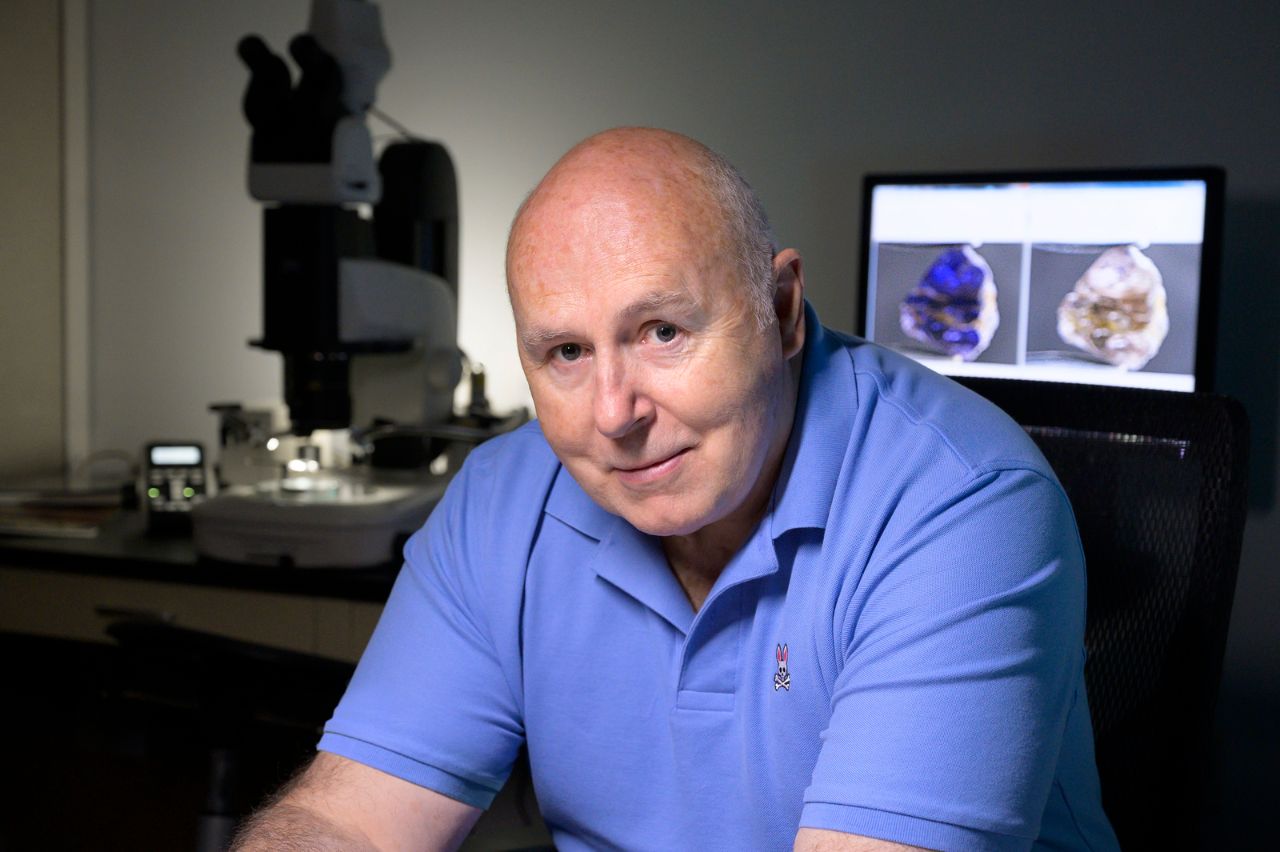
CARLSBAD, Calif. – TBD – GIA has acquired an unsurpassed collection of 2,665 crystals, gems, and minerals, each exhibiting extraordinary inclusions composed of foreign minerals, as well as trapped fluids and structural characteristics. The unique collection was curated over 60 years by GIA Analytical Microscopist John Koivula, who is widely regarded as the world’s foremost expert in identifying and documenting gem inclusions.
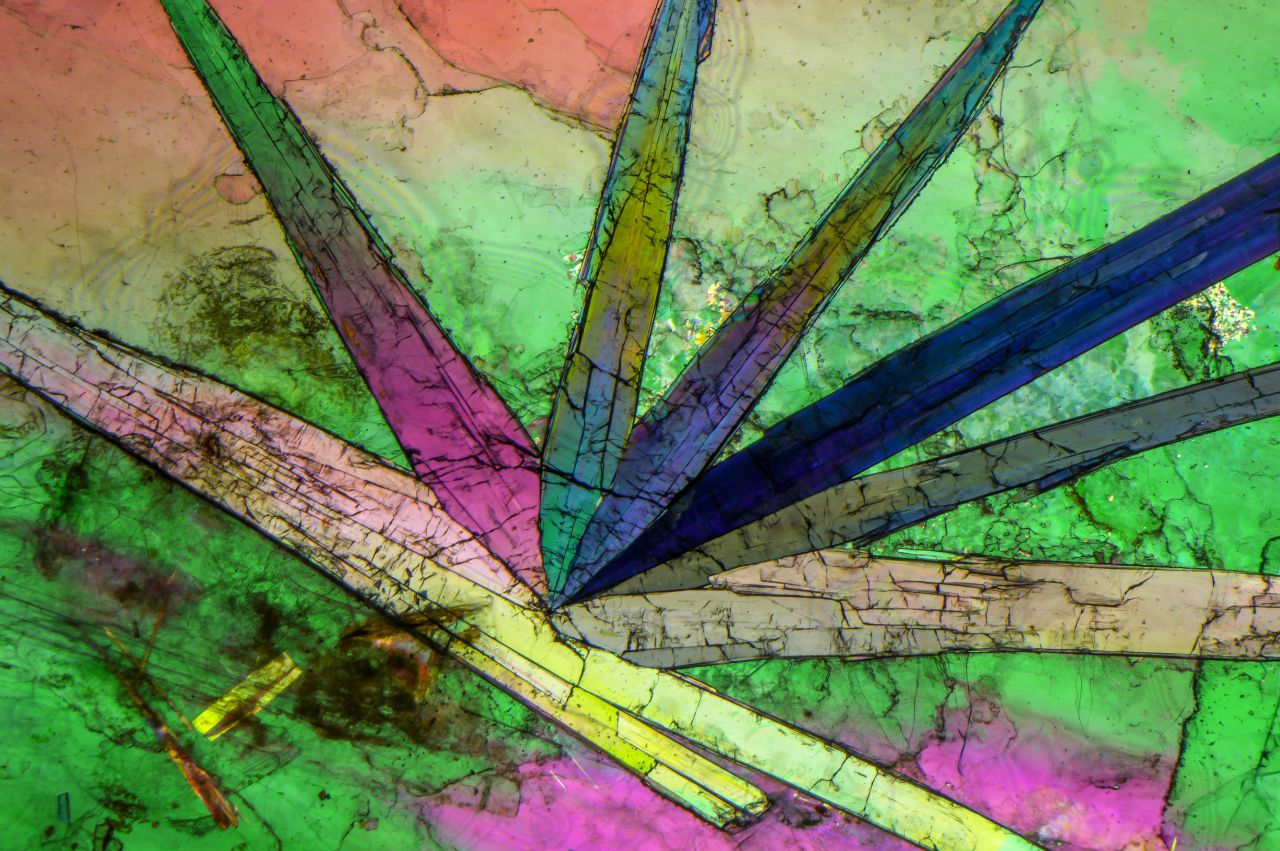
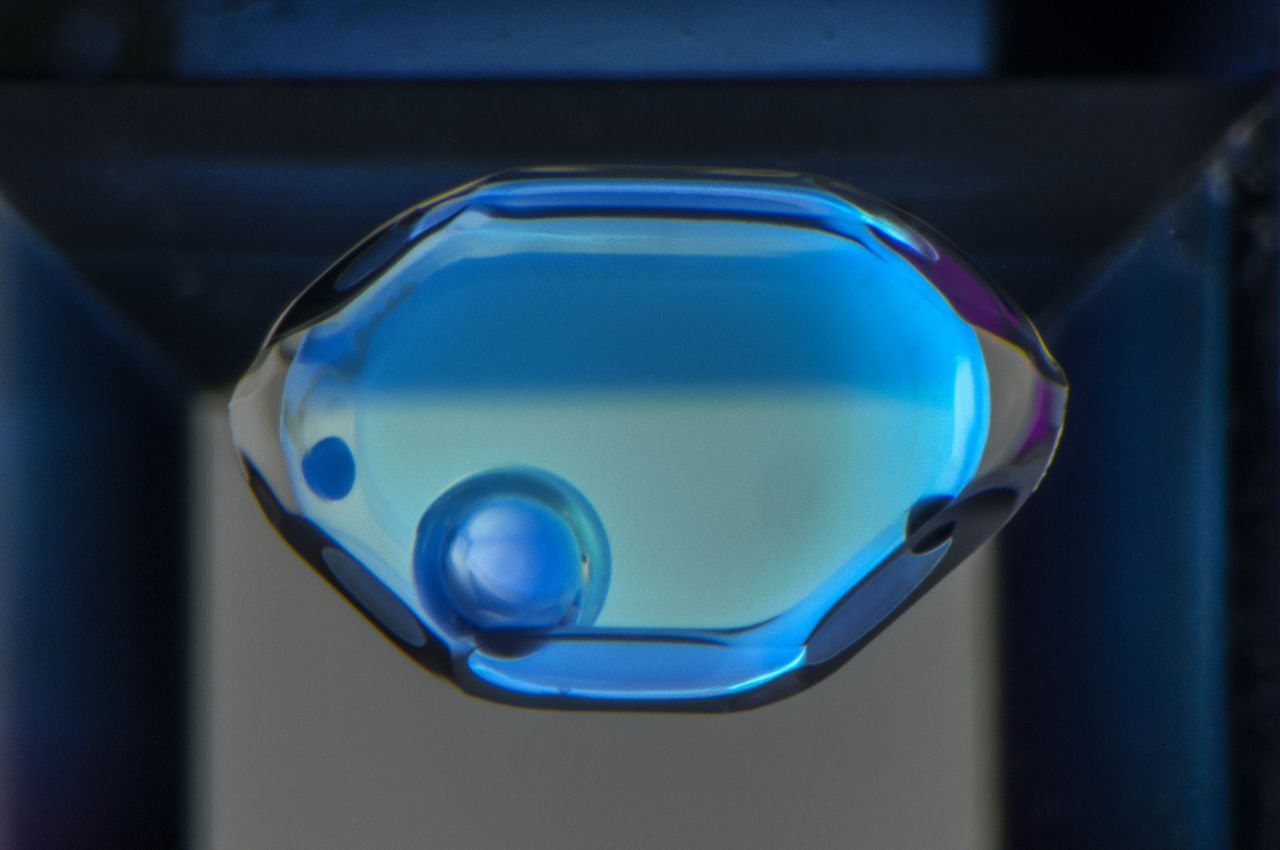
Featuring rare and intriguing inclusions, from a fan of mica in tourmaline to an otherworldly inclusion of fluorescent petroleum fluid in quartz, this collection is unmatched in breadth and quality.
“This one-of-a-kind assemblage could not be reproduced today, not only because many of the pieces are unique, but also because specimens of comparable quality are unlikely ever to be found again,” said Terri Ottaway, curator of the GIA Museum in Carlsbad, CA. “John possesses an extraordinary eye for rarity, often examining hundreds of specimens before selecting a single piece.”
“Preserving the collection at GIA perpetuates the legacy of John Koivula’s skill, expertise and artistry,” said Cathryn Ramirez, GIA senior vice president and chief learning officer. “Generations of students, gemologists and scientists will benefit from his incredible contributions to gemology.”
Carefully cataloged in a custom database, the Koivula collection will support GIA’s education programs, gemological research, and gem identification and origin services. It is an extraordinary educational resource for training future generations of gemologists and dramatically expands GIA’s gemological reference collection.
In addition to applying the collection to education, research, and laboratory services, John and his colleagues are preparing a large-format book featuring many fascinating and beautiful photomicrographs of the specimens.
John Koivula is among the most senior researchers at GIA, having joined the Institute in 1976. Through his pioneering work in photomicrography, Koivula revolutionized gemology. He introduced cutting-edge techniques to his research, including fiber-optic illumination, which has since become commonplace in gem labs worldwide.
About GIA Through research, education, gemological laboratory services and instrument development, the Institute is dedicated to ensuring the public trust in gems and jewelry by upholding the highest standards of integrity, academics, science and professionalism. Visit GIA.edu. |
A collection of comparable quality is unlikely to be assembled again
CARLSBAD, Calif. – TBD – GIA has acquired an unsurpassed collection of 2,665 crystals, gems, and minerals, each exhibiting extraordinary inclusions composed of foreign minerals, as well as trapped fluids and structural characteristics. The unique collection was curated over 60 years by GIA Analytical Microscopist John Koivula, who is widely regarded as the world’s foremost expert in identifying and documenting gem inclusions.
Featuring rare and intriguing inclusions, from a fan of mica in tourmaline to an otherworldly inclusion of fluorescent petroleum fluid in quartz, this collection is unmatched in breadth and quality.
“This one-of-a-kind assemblage could not be reproduced today, not only because many of the pieces are unique, but also because specimens of comparable quality are unlikely ever to be found again,” said Terri Ottaway, curator of the GIA Museum in Carlsbad, CA. “John possesses an extraordinary eye for rarity, often examining hundreds of specimens before selecting a single piece.”
“Preserving the collection at GIA perpetuates the legacy of John Koivula’s skill, expertise and artistry,” said Cathryn Ramirez, GIA senior vice president and chief learning officer. “Generations of students, gemologists and scientists will benefit from his incredible contributions to gemology.”
Carefully cataloged in a custom database, the Koivula collection will support GIA’s education programs, gemological research, and gem identification and origin services. It is an extraordinary educational resource for training future generations of gemologists and dramatically expands GIA’s gemological reference collection.
In addition to applying the collection to education, research, and laboratory services, John and his colleagues are preparing a large-format book featuring many fascinating and beautiful photomicrographs of the specimens.
John Koivula is among the most senior researchers at GIA, having joined the Institute in 1976. Through his pioneering work in photomicrography, Koivula revolutionized gemology. He introduced cutting-edge techniques to his research, including fiber-optic illumination, which has since become commonplace in gem labs worldwide.
About GIA Through research, education, gemological laboratory services and instrument development, the Institute is dedicated to ensuring the public trust in gems and jewelry by upholding the highest standards of integrity, academics, science and professionalism. Visit GIA.edu. |