
See Gem As
Tools
Research
Diamond Geology
Poster abstracts on “Diamond Geology” from GIA’s 2018 International Gemological Symposium.
Diamond Identification
Poster abstracts on “Diamond Identification” from GIA’s 2018 International Gemological Symposium.
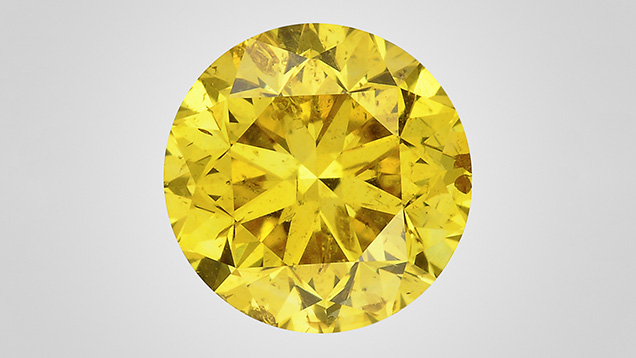
Diamond Identification
Abstracts of speaker presentations from the “Diamond Identification” session of GIA’s 2018 International Gemological Symposium.
Colored Stones and Pearls
Poster abstracts on “Colored Stones and Pearls” from GIA’s 2018 International Gemological Symposium.
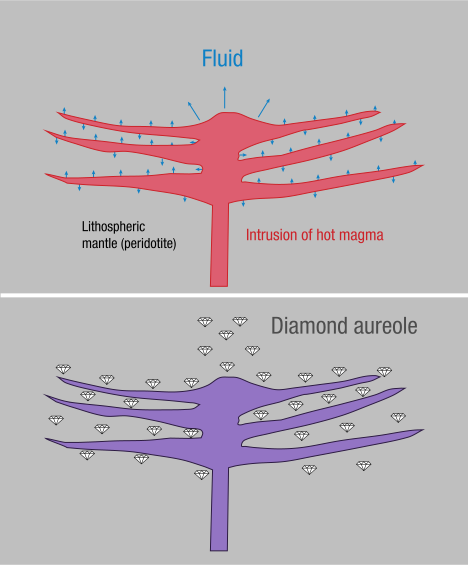
Diamond Geology
Poster abstracts on “Gem Characterization” from GIA’s 2018 International Gemological Symposium.
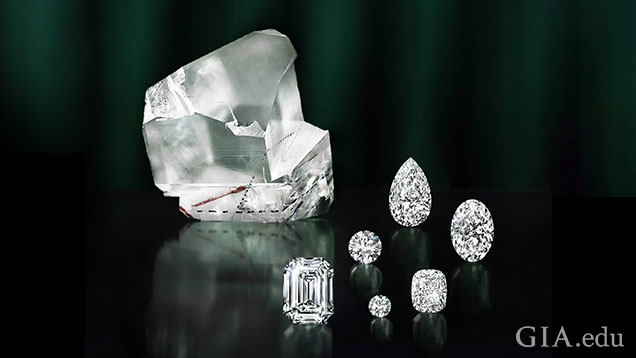
Chipping Away at the 1,109 ct Lesedi La Rona: 60 D Flawless Diamonds
Graff reveals the first polished diamonds produced from the Lesedi La Rona, one of the largest pieces of rough ever mined. Plus, other market news.
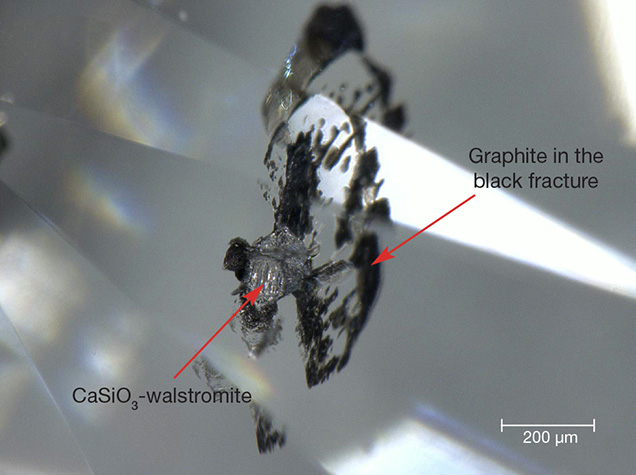
D-Color Natural IIa Diamond with Walstromite Inclusion
A diamond is proven to have a superdeep origin through an inclusion of CaSiO3-walstromite.
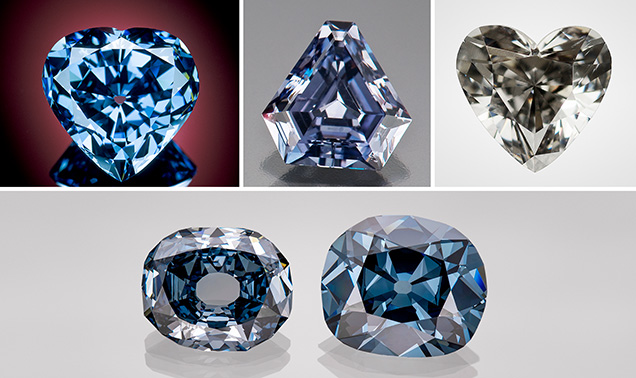
Natural-Color Blue, Gray, and Violet Diamonds: Allure of the Deep
Summarizes data collected on more than 15,000 natural blue/gray/violet diamonds examined by GIA during the last decade and examines the mechanisms that produce this color range.
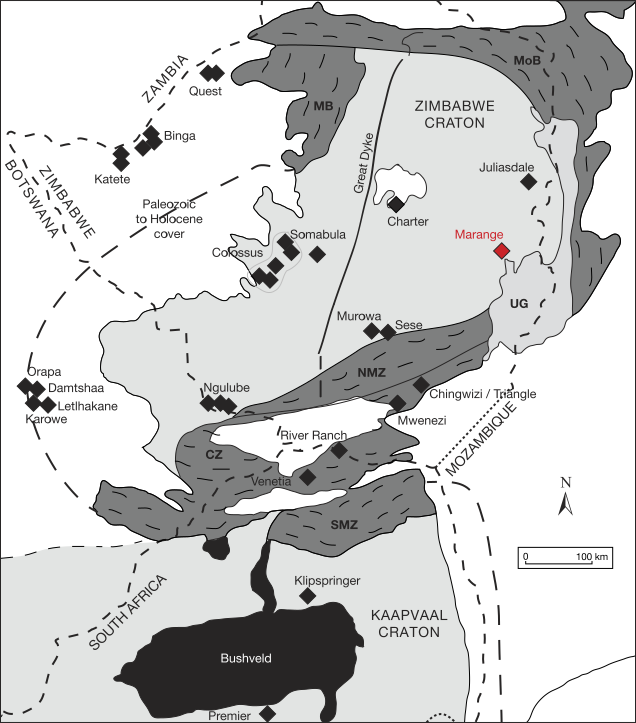
Black Diamonds from Marange (Zimbabwe): A Result of Natural Irradiation and Graphite Inclusions
Characterizes a suite of 40 natural brown to black diamonds from this deposit so that they can be distinguished from suspected treated black diamonds.
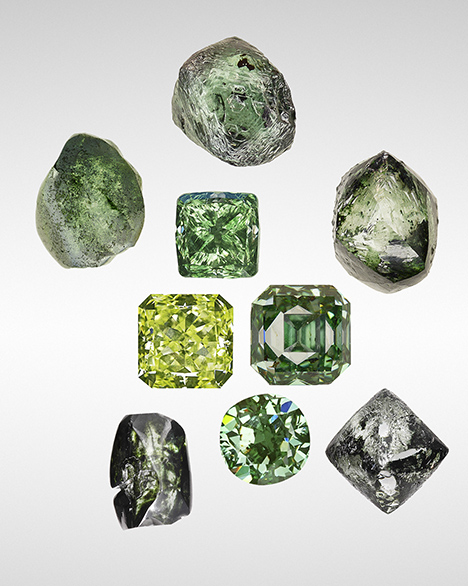
Natural-Color Green Diamonds: A Beautiful Conundrum
Characterizes diamonds with exceptionally rare natural green color, based on GIA’s extensive database of samples.
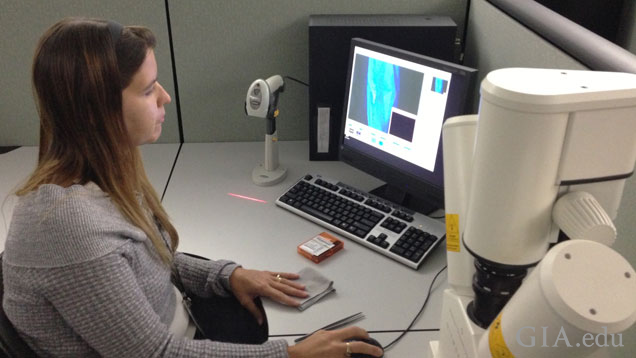
Inside De Beers’ Lightbox Diamonds
GIA researcher analyzes and confirms that De Beers’ Lightbox diamonds are grown using the chemical vapor deposition process.